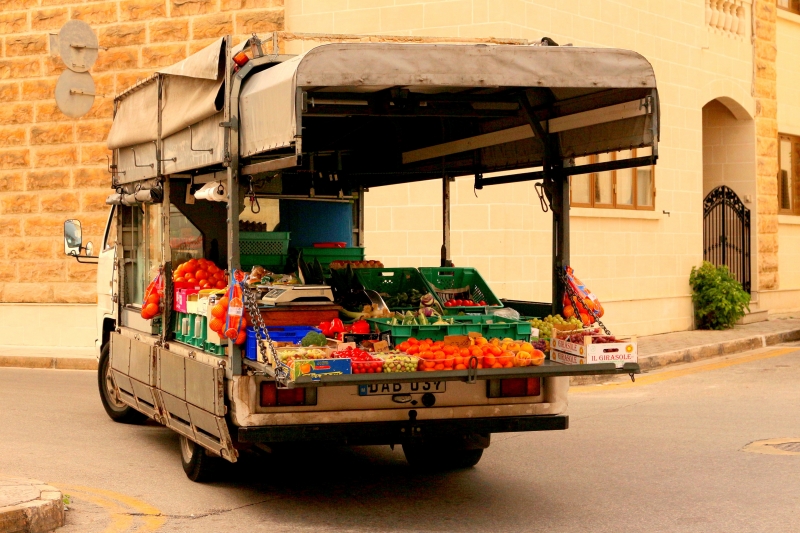
Picture this. Your weekly produce order is on the road. Then a truck crash stops everything. The load is late, damaged, or gone. For a small food business, that is a big problem. Customers still expect to eat. Bills still arrive. Most food blogs talk about recipes and menus. Few talk about what happens when the delivery truck never shows up. This guide fills that gap. It gives you simple steps to protect your food, your team, and your wallet.
Why Delivery Crashes Hit Food Businesses So Hard
Food does not wait. Fish, milk, eggs, and fresh greens spoil fast. A few hours in a hot, stopped truck can ruin a whole load. Trucks also carry most of our food. One freight guide says trucking makes up about 70% of food and beverage transport in the United States. So one crash can affect many kitchens at once. Small cafes and home-based sellers feel it most. They often have little storage and thin profit margins. A single lost delivery can mean an empty menu for the day.
People matter more than produce, though. If you or a worker was hurt in a crash with a commercial truck, get medical care first. Then think about the legal side. Many injured people choose to speak with a truck accident lawyer Chopin Law offers, because these cases often involve more than one party. The driver, the trucking company, a maintenance provider, or a cargo loader may share the blame. Also, avoid giving a recorded statement to the trucking company’s insurer before you understand your rights. Take pictures of the scene if it is safe to do so. Get names and phone numbers from witnesses, too. Small steps like these can protect you later.
Check the Food Before You Check the Invoice
Once everyone is safe, look at the food. First, do not rush to accept a late or damaged shipment. A local health unit advises operators to refuse a delivery if they doubt the food’s safety. That is smart advice for any kitchen.
Next, use a clean food thermometer. Cold foods should stay at 41°F or below. If a truck sat in the sun after a crash, the temperature may have climbed. In that case, test every item. Then take clear photos of the boxes, labels, and readings. These photos will help later.
Finally, remember this old kitchen rule. When in doubt, throw it out. Dented cans, torn packaging, and warm dairy are not worth the risk. One freight guide also says damaged goods should be discarded right away. Sick customers cost far more than one lost pallet.
Your own storage matters too. A steady walk-in cooler can save backup stock on a rough day. Learn how to maintain commercial food equipment so your fridges and freezers stay ready for emergencies.
Build a Backup Plan before the Next Crash
You cannot stop every accident. However, you can prepare for one. Start with a few easy habits.
Have a second supplier on speed dial. Even a small local farm or market can fill a gap for a day or two. Likewise, keep a small stock of shelf-stable items like rice, lentils, canned tomatoes, and spices. These can carry a simple menu through a short delay.
Plan a flexible menu, too. Some chefs keep a “crash day” list of dishes that use pantry basics. This way, your team can switch quickly without panic. Share the plan with every shift so nobody has to guess what to do when a truck is late.
Finally, talk to your customers early. A short message such as “Our delivery was delayed, so today’s special will change” builds trust. People accept honesty far more than they accept surprises.
Keep Records and Ask Smart Questions
Good records protect you. Write down the delivery time, the driver’s name, the truck company, and every temperature reading. Save receipts for spoiled goods. Keep your photos in one folder. A simple notebook or phone note works fine. Insurance companies and suppliers often ask for proof, so being organized speeds things up.
Next, ask your suppliers how they handle risk. Do their trucks track temperature during the whole trip? Do they have a plan if a vehicle breaks down? Safe food transportation works best when shippers, carriers, and receivers all share clear information. If your supplier answers slowly or vaguely, that is a warning sign.
You should also review your own insurance. Ask your agent whether your policy covers spoiled stock and lost income after a supply delay. Many owners never check until a crisis hits. A quick call today can save stress later. It also helps to learn what proof your insurer needs, so you are never caught off guard.
Final Thoughts
A truck crash is scary, and it can shake a food business fast. The good news is that most of the fixes are simple and cheap. Still, a calm plan makes a big difference. Care for people first. Test and photograph the food. Throw out anything doubtful. Then keep records, talk to your suppliers, and prepare backups. With these habits, your kitchen can bounce back quickly, and your customers will keep coming back for more.
