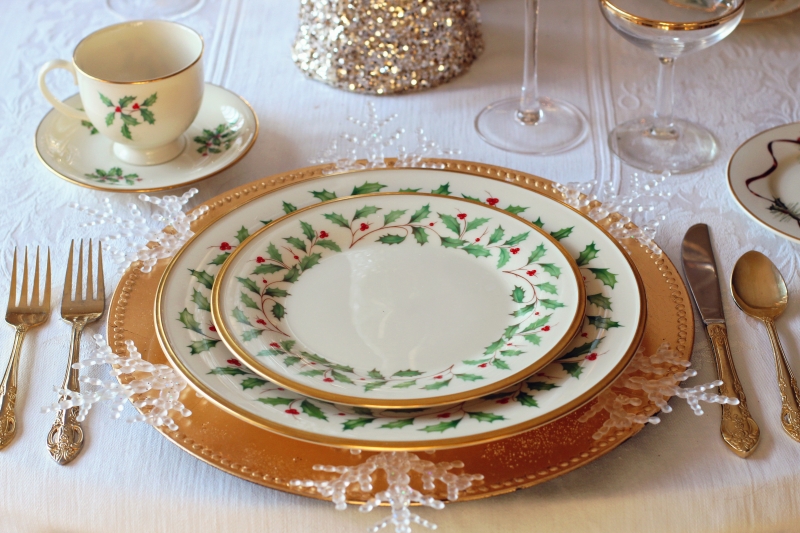
An elegant table does not need an elaborate place setting. A few coordinated pieces, arranged with room to eat comfortably, can make a dinner party feel special. Disposable dinnerware offers a way to create that setting without a full china service.
For a first-time host, the easiest approach is to build the table in layers. Decide what the occasion needs and choose a simple palette, then arrange one complete place before repeating it. There is no need to buy every decorative accessory at once.
Start with the occasion and the way dinner will be served
Picture the gathering before choosing a plate pattern. A relaxed birthday dinner might call for bright napkins and a bare wooden table. A bridal shower might suit softer colors and a tablecloth with a small floral arrangement.
Then decide how the food will reach the table. For a plated meal, each place can be ready when guests sit down. For a buffet, dinner plates may belong beside the food rather than at each seat. Family-style serving needs space for bowls and platters.
These choices give the styling a purpose. A beautiful arrangement should still leave room for the meal, so settle the serving format before decorating the center of the table.
Choose two main colors and an optional accent
A limited palette makes shopping easier. Begin with a neutral such as white, cream, or charcoal, then add a color that suits the occasion. A dressed-up table can include a metallic detail, but it does not need one.
For example, white plates paired with blue napkins make a straightforward starting point, with clear glasses alongside. Cream plates with soft green napkins can feel equally considered. Either combination leaves room for flowers or food to provide additional color.
Choose one element to carry a pattern. If the plates have a decorative border, plain napkins can keep the setting balanced. If the napkins are the feature, simpler plates let that design stand out. Aim for choices that feel intentional rather than matching every item.
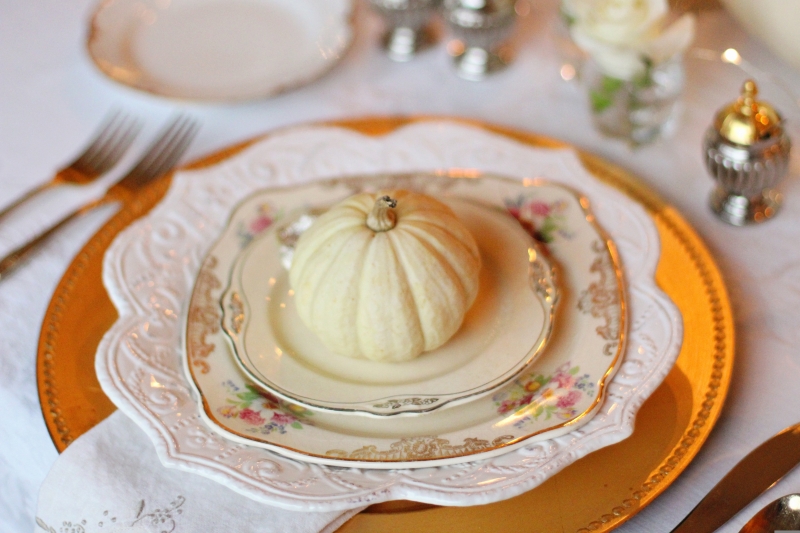
Select the dinnerware before adding accessories
Start with the pieces guests will use: a dinner plate, a napkin, appropriate flatware, and drinkware. Add an appetizer or dessert plate only when the menu calls for it. Decorative chargers and extra layers are optional.
While looking through the designs at bymadee.com, compare the look with the table and meal already planned. Check each product’s dimensions and pack contents along with its use directions rather than choosing from a styled photograph alone. That habit is worth keeping whichever pieces end up on the table.
A sample setting can help assess the finish and feel before a larger order. Check food and temperature suitability in the manufacturer’s guidance, and do not assume microwave compatibility.
Use the table surface as part of the design
A tablecloth creates a continuous background, but it is not essential. A clean tabletop with placemats or a runner may suit the room just as well. Choose whichever supports the colors already selected.
If the plates are patterned, a plain base gives the eye somewhere to rest. If the dinnerware is simple, a textured runner can add interest without another motif. Keep the runner’s ends out of walking paths.
Lay out one place setting before decorating the rest. Check whether the plate is easy to reach and the guest has space for a glass. It is easier to adjust now than after every chair has been set.
Arrange each place for comfortable use
For a familiar Western-style dinner setting, center the dinner plate in front of the chair. Put the fork on the left and the knife on the right, with its blade facing the plate. Add a spoon only if the menu needs one. A drinking glass can sit above and to the right of the plate.
This starting point can be adapted to different cuisines and gatherings. Adjust the utensils and layout to the food being served and the guests’ needs.
Fold the napkin into a simple rectangle and place it to the left of the fork or on the plate. An elaborate fold is unnecessary. Repeating the arrangement at each seat gives the table a finished appearance without additional accessories.
Add one modest centerpiece
Choose a centerpiece after the place settings are in position. A low vase or a small bowl of seasonal fruit can provide a focal point without filling the table, as can a short line of greenery.
Sit in a chair and look across to the opposite seat. If the arrangement blocks a face or takes up serving space, reduce it. Keep leaves, petals, and decorations away from food-contact surfaces.
Battery-operated candles offer simple lighting without an open flame. Place cards are another optional detail, especially when assigned seating would help guests settle in. Neither is necessary for a welcoming table.
Take one final look from a guest’s seat
Before repeating the finished setting, sit down with it. Can a guest move the cutlery easily? Check that there is space for a serving bowl and that the napkin sits comfortably beside the plate without crowding the glass.
Make any adjustments, then repeat the arrangement around the table. Have extra napkins and cutlery close at hand but out of the way. A first elegant table does not need to resemble a styled photo shoot. It needs a clear visual idea and useful pieces, with room for people to enjoy dinner together.
